





Make it yours
Every experience is customised to be just right for you.
WILDLIFE VOLUNTEERING: THE RED FLAGS MOST PEOPLE MISS
Get the free guide
This is a directory of every conservation experience we offer across southern Africa — from wildlife sanctuaries in the bushveld to research initiatives in untamed wilderness. Each experience has its own story, team, and way of making a difference.
Many of these experiences are part of our wildlife volunteering programs in Africa. If you're looking to volunteer in Africa, our dedicated volunteering page covers everything in full. Other experiences are internships and placements, ethical wildlife trips, or school field trips. Browse the full list below.
Every conservation project, animal sanctuary, and program we offer.
Support animal rehabilitation and wildlife research efforts in the iconic Greater Kruger National Park
View details for A New Side To The KrugerGive your students a broad taste of life working in African wildlife conservation projects
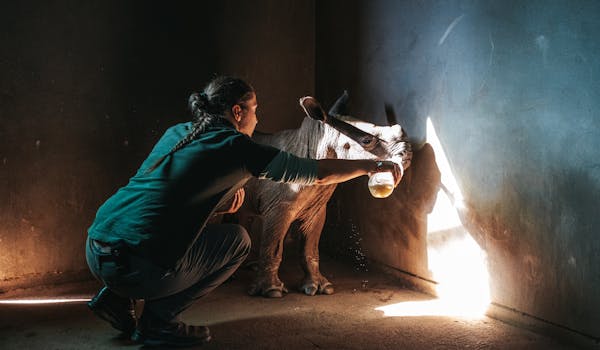
View details for Biology & Ecology Kruger Fieldwork TripHelp save the rhino at the largest specialist rhino care centre in Africa
View details for Care For Wild Africa Rhino SanctuaryWork hands-on to support conservation projects alongside local communities
View details for Changemakers Service Learning TripJoin one of Africa’s most inspirational and effective marine and coastal conservation projects
View details for Coastal Conservation ProjectVisit three different projects in two countries to truly understand wildlife conservation in Africa
View details for From Famous Kruger To Remote OkavangoLed by experienced rangers, learn how to track animals, master bushcraft and understand wildlife behaviour
View details for Game Ranger Conservation ExperienceChallenge your students by joining internationally relevant conservation projects
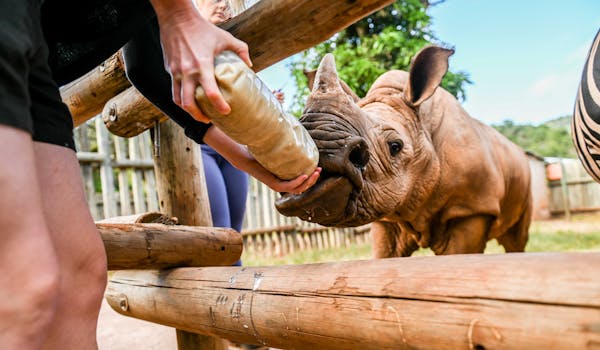
View details for Global Citizens CAS Field TripExperience daily life working with orphaned baby rhinos, supervised by a dedicated team of experts
View details for Golola Rhino Orphanage And Rehabilitation CentreGain experience working in an animal care centre and supporting conservation field work
View details for Kruger Animal Care & Conservation TripStep off the tourist trail and connect with highly qualified wildlife researchers, field ecologists and rhino specialists
View details for Masters Of The Wild ExperienceHelp care for injured and endangered wildlife in a dedicated rehabilitation centre
View details for Moholoholo Wildlife Rehabilitation CentreExplore a variety of animals in the Okavango Delta, home to the largest elephant population on Earth
View details for Okavango Wilderness ProjectGo behind the scenes on a Big 5 reserve and join one of the biggest conservation success stories
View details for Phinda Wildlife Research ProjectCare for orphaned rhinos at a specialist centre and collect vital data to contribute to long-term rhino protection
View details for Rhino Conservation AdventureAccompanied by experts, learn about rhino in the field and care for orphaned rhino at a specialist centre
View details for Rhino Conservation ExperienceGain tracked hours assisting and shadowing expert vets with iconic wildlife in Africa
View details for Shimongwe Veterinary EMS PlacementJoin experts protecting rhinos and lions, in the wild and at a specialist sanctuary
View details for Shimongwe Wildlife Veterinary ExpeditionTeam up with an experienced vet, treating wildlife in the wild and at a clinic
View details for Shimongwe Wildlife Veterinary ExperienceEmbark on an epic adventure that will change your life, visiting four different conservation projects
View details for The 'All In' Gap Year ExperienceExplore both sides of conservation, going behind the scenes of a successful rehabilitation centre and Big 5 reserve
View details for The Care And Conservation Discovery ExperienceEngage in real wildlife veterinary work in the field and clinic, then provide hands-on care for orphaned and injured animals
View details for The Clinic To Care ExperienceMake a meaningful difference at two of South Africa's most respected wildlife rehabilitation centres
View details for The Immersive Wildlife Rehabilitation ExperienceDisconnect from modern life and visit three conservation projects in Africa
View details for The New Horizons SabbaticalExperience wildlife veterinary work inside a busy clinic, a specialist sanctuary, and the open savannah
View details for The Savannah Veterinary ExplorerJoin three pioneering conservation projects across South Africa in one unforgettable journey of wildlife research and rehabilitation
View details for The Three Frontiers Conservation ExperienceGo behind the scenes of two successful wildlife research projects and one of the biggest animal sanctuaries in South Africa
View details for The Three Frontiers Wildlife ExperienceGet a unique behind the scenes experience in one of the largest and most important conservation areas in Africa
View details for The Vikela Kruger Conservation ExperienceGo off the beaten track in a remote bush camp, and monitor lions, elephants and raptors
View details for Umsele Field Conservation Project - In Partnership With Balule & EWTGain practical field research experience, working alongside leading conservation authorities
View details for Umsele Wildlife Research Internship - In Partnership With Balule & EWTExpand your students’ experience by supporting real wildlife vets in the field
View details for Veterinary Medicine In Conservation Field TripExperience for yourself the adrenaline-fueled world of wildlife capture and relocation
View details for Wildlife Capture And Relocation ExperienceDevelop your animal care skills at a leading wildlife sanctuary
View details for Wildlife Rehabilitation Placement